Astronomy vs Astrology: Unveiling the Ultimate Cosmic Debate
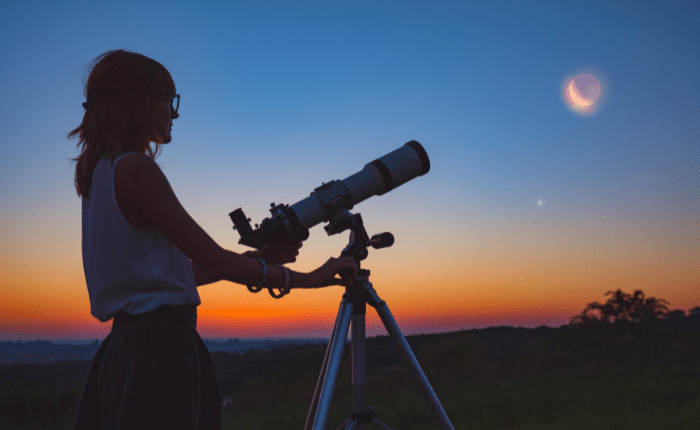
It’s fascinating how often I’ve encountered people who confuse astronomy vs astrology. At first glance, it’s easy to see why: both involve the study of celestial bodies, both have ancient origins, and both inspire wonder and curiosity about the universe. But while they may share some similarities, they are worlds apart in their approach, purpose, and the questions they aim to answer.
In this blog, I’ll delve deep into the astronomy vs astrology debate, tracing their origins, defining their differences, and reflecting on how each contributes uniquely to our understanding of the cosmos and ourselves. Whether you’re a skeptic, a believer, or somewhere in between, this exploration of astronomy vs astrology will clarify the distinctions between these two disciplines.
Table of Contents
ToggleThe Ancient Origins: Astronomy and Astrology Together
To understand where the division between astronomy vs astrology began, we must travel back thousands of years. Early civilizations were mesmerized by the movements of the stars and planets. The earliest stargazers learned to associate these movements with natural cycles such as seasons, tides, and even human behavior.
Astrology, as the older of the two, emerged in ancient Babylon around 2,400 years ago. Astrologers believed that the positions of celestial bodies like the Sun, Moon, and planets directly influenced events on Earth, including human personalities and life outcomes. Astrology was not only a tool for understanding the universe but also a form of divination, used to predict the future based on planetary alignments.
Astronomy, however, gradually evolved into a separate discipline. Ancient astronomers, who were often also astrologers, developed precise methods for tracking celestial movements. As time went on, particularly during the Renaissance, astronomy began to focus more on empirical observation and scientific inquiry, breaking away from the symbolic interpretations found in astrology.
This shared history is what makes the astronomy vs astrology confusion so common. But today, we know that these two fields have diverged significantly. Astronomy is grounded in science, while astrology remains a mystical or symbolic system. For a more in-depth look at their shared history, you can explore Britannica’s article on astrology and astronomy.
Defining Astronomy vs Astrology
The distinction between astronomy vs astrology is clear when we examine their goals and methods.
Astronomy is a scientific field dedicated to studying celestial objects like stars, planets, comets, and galaxies. It seeks to understand the physical universe through observation, measurement, and the scientific method. Astronomy asks questions like: How do planets form? What is the nature of black holes? How did the universe begin? The answers to these questions come from rigorous data collection and analysis, often using advanced tools like telescopes and space probes.
One of the most exciting aspects of astronomy is that it’s a constantly evolving science. The discovery of exoplanets, distant galaxies, and phenomena like dark matter and dark energy has pushed our understanding of the universe in remarkable ways. For those eager to dive into the latest astronomical discoveries, I recommend visiting the Hubble Space Telescope Science Page.
Astrology, on the other hand, is a belief system that interprets the positions of celestial bodies at the time of a person’s birth to predict personality traits and future events. The 12 zodiac signs are central to astrology, each corresponding to certain traits and tendencies. Astrologers create birth charts and offer horoscopes to provide guidance on love, career, and personal growth.
Unlike astronomy, astrology does not rely on the scientific method. Its claims cannot be tested or verified in the same way. Yet, astrology remains popular because it offers a symbolic system of meaning that resonates with many people on a personal level. To learn more about modern astrological practices, Astrology.com offers a wealth of resources, from daily horoscopes to detailed astrological readings.

The Scientific Foundation of Astronomy
The astronomy vs astrology debate often highlights the scientific rigor of astronomy compared to the symbolic nature of astrology. Astronomy is a cornerstone of modern science, providing crucial insights into the nature of the universe.
One of the key moments in the history of astronomy was Edwin Hubble’s discovery in the 1920s that the universe is expanding. This led to the formulation of the Big Bang Theory, the most widely accepted explanation for the origin of the universe. The theory posits that the universe began from an incredibly dense and hot state about 13.8 billion years ago and has been expanding ever since.
Astronomy has also revealed the existence of black holes, neutron stars, and exoplanets—planets outside our solar system that could potentially harbor life. With the advent of space telescopes like the Hubble Space Telescope and James Webb Space Telescope from NASA, astronomers can now observe objects billions of light-years away. These discoveries would be impossible without the scientific methods and technologies developed through astronomy.
If you’re fascinated by the latest advancements in black hole research, I recommend checking out NASA’s Black Hole Information Page.
The Spiritual Appeal of Astrology
Despite its lack of scientific backing, astrology continues to captivate millions of people worldwide. In fact, recent years have seen a resurgence in the popularity of astrology, particularly among younger generations. For many, astrology offers a way to find meaning in a chaotic world.
What sets astrology apart in the astronomy vs astrology discussion is its focus on the individual. Astrology connects the movements of the planets to personal experiences, making the cosmos feel more relatable. Astrological charts and horoscopes are used as tools for self-reflection, offering insights into one’s personality, relationships, and potential challenges.
I often hear people describe themselves as “a Leo” or “such a Virgo,” using their astrological sign as shorthand for their traits. Whether or not you believe in astrology, there’s no denying its influence on popular culture. If you’re curious about how astrology continues to shape personal identities, Astrology.com provides a variety of interpretations for zodiac signs, horoscopes, and astrological charts.
Astronomy vs Astrology: The Key Differences
Here’s a breakdown of the most significant differences between astronomy vs astrology:
- Astronomy is a science that studies the universe using observation, experimentation, and the scientific method. It provides evidence-based explanations for celestial phenomena.
- Astrology is a belief system that interprets the positions of celestial bodies as influencing human behavior and destiny, without a basis in empirical evidence.
- Astronomy uses tools like telescopes, space probes, and satellites to gather data, while astrology relies on symbolic interpretations of celestial alignments.
- Astronomy contributes to technological and scientific progress, while astrology offers personal guidance and introspection.
Understanding the difference between astronomy vs astrology is essential, especially when it comes to how each field impacts society. While astronomy continues to drive innovations in technology, communication, and space exploration, astrology appeals to those seeking a deeper understanding of themselves and their place in the universe.
Why the Confusion Between Astronomy and Astrology?
One reason for the persistent confusion between astronomy vs astrology is their shared history. In ancient times, astrologers were the most advanced astronomers of their day. They carefully tracked the movements of celestial objects to create astrological charts, believing that the stars could influence human affairs.
This overlap in early history, combined with the use of similar terminology (e.g., “planetary alignment” or “retrograde”), leads many to conflate the two. The rise of astrology in popular culture, through horoscopes and zodiac memes, has also kept it in the public consciousness, sometimes overshadowing the scientific rigor of astronomy.
To dive deeper into this shared history and the eventual separation of astronomy vs astrology, Britannica’s article on the history of astronomy is an excellent resource.
Astronomy’s Impact on Humanity
In the astronomy vs astrology debate, astronomy’s contributions to humanity stand out. Astronomy has revolutionized our understanding of the universe and continues to drive technological innovation. The study of space has led to advancements in fields like medicine, physics, and engineering.
The tools developed by astronomers, such as telescopes and imaging techniques, have applications beyond space exploration. For example, algorithms used to analyze astronomical data have been adapted for medical imaging, improving MRI and CT scans. Additionally, the study of cosmic radiation has contributed to our understanding of physics on Earth.
For those who want to explore how space exploration influences technology, NASA’s spinoff technologies page provides a great overview of innovations born from astronomy research.
Astrology’s Role in Modern Culture
On the other hand, astrology remains a guiding force for those seeking personal meaning. In today’s uncertain world, astrology provides a framework for understanding one’s place in the cosmos. Although it’s not grounded in scientific evidence, astrology offers a form of introspection that resonates with millions.
The astronomy vs astrology debate highlights astrology’s enduring cultural relevance, particularly through horoscopes and astrological readings. Whether or not it offers scientific insight, astrology continues to be a source of comfort and guidance for many.
The Science and Mysticism of the Stars
In conclusion, the astronomy vs astrology debate reveals two different ways of engaging with the universe. Astronomy offers a scientific, evidence-based approach, providing factual knowledge about the cosmos. Astrology, while not scientifically grounded, offers a symbolic system that helps people find personal meaning in the stars.
Both fields, in their own way, deepen our relationship with the universe. Whether you’re stargazing through a telescope or reflecting on your astrological chart, the cosmos invites us to explore, question, and wonder.
For those who want to explore further, Space.com’s article on astronomy vs astrology offers a succinct comparison of these two disciplines.
Happy stargazing, and may your horoscope bring you some cosmic insight!
